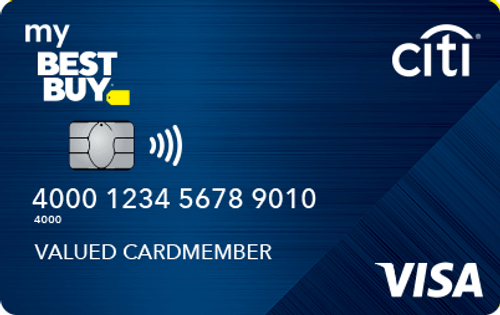
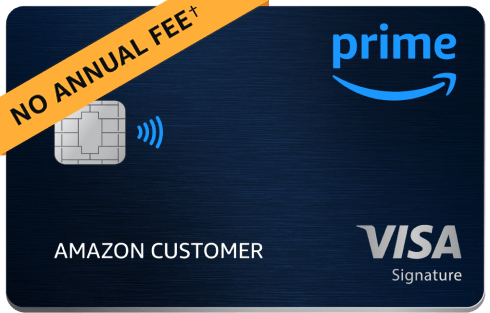
The My Best Buy Visa and Amazon Prime Visa are both store-branded electronics cards that earn 5% back at their home retailer. But they're structurally very different products, and the comparison isn't particularly close in favor of Amazon's card for most shoppers. Here's what separates them.
Side-by-Side Comparison
| Feature | My Best Buy Visa Platinum | Amazon Prime Visa |
|---|
| Annual Fee | $0 (Gold version may be $59) | $0 (Prime at $139/yr required) |
| Store Earn Rate | 5% at Best Buy (or 10% on first day) | 5% Amazon, Amazon Fresh, Whole Foods, Chase Travel ✓ |
| Gas Stations | 3% | 2% |
| Restaurants + Dining | 2% | 2% |
| Groceries | 2% | 5% at Whole Foods Market ✓ |
| Everything Else | 1% | 1% |
| Rewards Redeemable At | Best Buy only — Best Buy gift certificates ✗ | Amazon, statement credit, Chase Travel, gift cards ✓ |
| Rewards Expiration | Yes — $5 certificates expire ✗ | Points don't expire while account open ✓ |
| Financing Available | Yes — 6–24 months deferred interest ✓ | No promotional financing |
| Welcome Bonus | 10% back on first Best Buy purchase (same day) | $150 Amazon gift card instantly on approval ✓ |
| Foreign Transaction Fee | None | None ✓ |
| Issuer | Citi | Chase |
| Membership Required | No | Amazon Prime ($139/yr) |
Best Buy Rewards Are Locked In — Forever
Every dollar you earn with the Best Buy card comes back as a $5 Best Buy gift certificate — redeemable only at Best Buy or BestBuy.com. If you stop shopping at Best Buy, stop needing electronics, or the store closes near you, your rewards have no value anywhere else. They also expire: certificates issued expire, and unredeemed reward dollars expire after 24 months. The Amazon Prime Visa's rewards never expire while your account is open, and can be redeemed for Amazon purchases, cash back, gift cards, or Chase Travel.
When Best Buy Actually Wins: Day-One Discount
The Best Buy card's one compelling moment is account opening day: you earn 10% back (or choose 0% deferred interest financing) on all Best Buy purchases made on the same day your account is approved. For a $2,000 laptop purchase, that's $200 back in Best Buy rewards — immediately. If you're planning a large Best Buy purchase anyway, opening the card that same day makes clear financial sense as a one-time strategy.
Outside of that opening-day window, the ongoing 5% at Best Buy is competitive — but only useful if you regularly buy things at Best Buy. For irregular shoppers, the rewards may expire before you accumulate enough to redeem ($5 minimum in $5 increments, expiring certificates).
For Electronics: The Chase Freedom Flex Beats Both During Prime Quarters
When Chase Freedom Flex features PayPal or online shopping as a 5% quarterly bonus category, using it at Amazon checkout through PayPal earns 5% with far better redemption flexibility than either store card. Similarly, when Q2 features Amazon specifically (as in 2026 Q2), the Freedom Flex earns 5% at Amazon up to $1,500 in spend — as real Chase Ultimate Rewards points transferable to airlines. For occasional electronics buyers, this rotating strategy beats both store cards.
Our Verdict
Choose My Best Buy Visa if you...
- Are making a large Best Buy purchase on the day you apply — the 10% first-day bonus is the card's best use case
- Need deferred interest financing for a large electronics purchase you want to split into payments (understand: choose rewards OR financing, not both)
- Shop at Best Buy regularly enough to accumulate and use $5 certificates before they expire
- Don't have or want an Amazon Prime membership
Choose Amazon Prime Visa if you...
- Already have Amazon Prime — the 5% on electronics, groceries, household goods, and almost anything else you buy online is unmatched at $0 card fee
- Want flexible rewards redeemable as cash or at Amazon, not locked into one retailer
- Buy electronics both online (Amazon) and occasionally in-store at various places — the 2% on gas and restaurants adds ongoing everyday value
- Travel internationally and want no foreign transaction fee
For most electronics buyers, the Amazon Prime Visa is the superior card — broader 5% coverage, flexible redemptions, immediate $150 welcome bonus, and useful 2% categories outside electronics. The Best Buy card is worth getting only if you're making a large Best Buy purchase the day you apply and want that 10% return — or if you specifically need Best Buy's deferred interest financing.