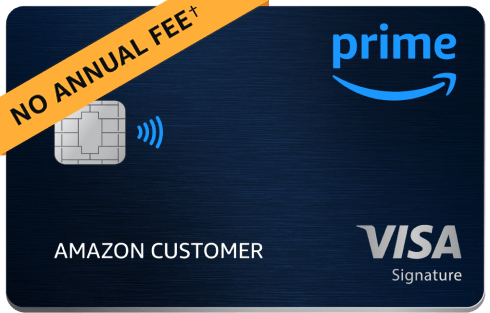
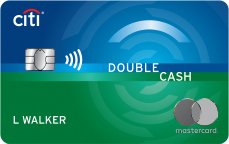
The Amazon Prime Visa and Citi Double Cash are two of the most frequently compared cash back cards — and for good reason. Both have no annual fee. Both offer competitive cash back with no spending category gymnastics. But they serve very different purposes: the Prime Visa is an exceptional card for Amazon and Whole Foods shoppers specifically, while the Citi Double Cash is a universal earner that works for everyone regardless of where they shop.
The decision comes down to one number: how much do you spend at Amazon and Whole Foods combined per month? If it's more than $466/month, the Prime Visa earns more total cash back even after factoring in the Prime membership cost. Below that, the Double Cash wins on net value.
Side-by-Side: The Numbers
| Feature | Amazon Prime Visa | Citi Double Cash® |
|---|
| Annual Fee | $0 (requires Prime at $139/yr) | $0, no membership required ✓ |
| Amazon + Whole Foods Rate | 5% cash back ✓ | 1% (buy) + 1% (pay) = 2% |
| Gas Stations | 2% ✓ | 2% (1%+1%) |
| Restaurants / Dining | 2% | 2% (1%+1%) |
| Everything Else | 1% | 2% (1%+1%) ✓ |
| Welcome Bonus | $150 Amazon gift card — instant on approval, no spend required ✓ | $200 cash back after $1,500 in 6 months |
| Transfer Partners | None — Chase rewards, not transferable ✗ | Yes — with Citi Strata Premier ✓ |
| Foreign Transaction Fee | None ✓ | 3% on international purchases |
| Issuer | Chase | Citi |
| Network | Visa | Mastercard |
| Prime Membership Required | Yes — $139/yr ✗ | No requirement ✓ |
The Break-Even Math: When Prime Visa Pulls Ahead
The Prime Visa effectively carries a $139/year hidden cost (the Prime membership). The 3% extra it earns at Amazon vs. the Double Cash's 2% must justify that cost. Here's the math:
How much Amazon/Whole Foods spending do you need for Prime Visa to win?
Prime membership cost
$139/yr
Cost to unlock 5% rate
Extra cash back per $ spent
3%
5% Prime Visa vs. 2% Double Cash
Annual spending to break even
$4,633
~$386/month at Amazon + Whole Foods
If you already have Prime for shipping and streaming benefits (most people who have it don't keep it just for the card), then the $139 cost isn't really attributable to the card. In that case, the Prime Visa wins the moment you spend a single dollar at Amazon. The relevant question is: do you have Prime, or would you get it regardless of this card? If yes, the Prime Visa is essentially free and the 5% rate is pure upside.
Round 1: Non-Amazon Spending
Winner: Citi Double Cash
Amazon Prime Visa
1% on everything outside of Amazon, Whole Foods, gas, restaurants, and transit. For the average household spending $1,000/month on groceries at non-Whole Foods stores, utilities, streaming, clothes, and miscellaneous purchases — the Prime Visa earns just $120/year on those categories. It's a poor card for anyone using it as their primary everyday card outside the Amazon ecosystem.
Citi Double Cash
2% on everything — groceries, utilities, subscriptions, medical, shopping, online retail outside Amazon, rent payments — regardless of merchant. On the same $1,000/month in non-Amazon miscellaneous spending, the Double Cash earns $240/year. Every non-Amazon, non-restaurant, non-gas purchase earns twice as much on the Double Cash as on the Prime Visa.
Round 2: Welcome Bonus — Speed vs. Size
Edge: Amazon Prime Visa (immediate)
Amazon Prime Visa
$150 Amazon gift card credited to your account instantly upon approval — no spending requirement whatsoever. You could literally use the gift card the same day. Unique in the credit card space. The downside: it's $150 in Amazon credit, not cash, and slightly less than the Citi bonus in total value. But no spending threshold means no risk of not qualifying.
Citi Double Cash
$200 cash back after $1,500 in purchases within 6 months — $250/month, very achievable for most cardholders. Worth more in dollar terms ($200 vs. $150) and redeemable as actual cash (not Amazon credit). The spending requirement is real but not onerous. For most people, the Citi bonus is more valuable even if it requires a few weeks to earn.
Round 3: International Travel
Winner: Amazon Prime Visa
Amazon Prime Visa
No foreign transaction fee. Use it internationally and earn 2% on restaurants and transit, 1% on everything else — no surcharge. The Prime Visa is a surprisingly solid travel companion for a store-branded card. It also includes travel protections: baggage delay insurance, lost luggage reimbursement, travel accident insurance, and purchase protection.
Citi Double Cash
3% foreign transaction fee on all international purchases. The Double Cash is a poor card to use abroad — a $500 international dinner effectively earns -1% after fees. For cardholders who travel internationally even once a year, the Prime Visa is meaningfully better for overseas use despite earning less on most categories domestically.
The Smart Strategy: Hold Both
Many cardholders use Amazon Prime Visa for all Amazon and Whole Foods purchases (5%) and Citi Double Cash for everything else (2%). Combined, you're earning 5% at one of the world's largest retailers and 2% on every other purchase — with no annual fee on either card. Total fee: $0 (plus Prime membership you likely already have). This is the optimal two-card setup for Amazon-heavy households who want maximum coverage across all spending.
Our Verdict
Choose Amazon Prime Visa if you...
- Already pay for Amazon Prime (the card is effectively free and 5% on Amazon is pure upside)
- Spend $200+/month at Amazon.com, Amazon Fresh, or Whole Foods Market
- Travel internationally and want no foreign transaction fee
- Want an immediate $150 gift card with zero spending requirement
- Shop at Whole Foods as your primary grocery store
Choose Citi Double Cash if you...
- Don't have Amazon Prime and don't want to pay $139/year for a membership
- Shop broadly across many retailers — not primarily Amazon — and want 2% on everything
- Want to build toward airline transfers via Citi ThankYou Points ecosystem
- Prefer cash to Amazon credit for your reward redemption
- Rarely shop at Amazon or Whole Foods (the Prime Visa's 1% on non-Amazon/gas/dining is weak)
Amazon Prime Visa
$150 gift card instant · 5% Amazon · no foreign fee · $0
Best Cash Back Cards →
† Prime membership required ($139/yr). Terms apply.
Citi Double Cash®
$200 bonus · 2% everywhere · ThankYou partners · $0
Full Review →
† Terms apply. We may earn a commission.
Frequently Asked Questions
Does the Amazon Prime Visa work at Whole Foods with a basic Prime membership?
Yes. Any eligible Prime membership — including student Prime ($69/yr) or Prime that came with a carrier bundle — qualifies for the 5% rate at both Amazon.com and all Whole Foods Market locations. The card itself has no annual fee; you simply need an active qualifying Prime membership at time of purchase.
Can I transfer Amazon Prime Visa rewards to airline partners?
No. Despite being a Chase card, the Prime Visa earns non-transferable points worth 1 cent each. They cannot be combined with Chase Ultimate Rewards or transferred to airlines and hotels. Redemptions are limited to Amazon purchases, statement credits, gift cards, and Chase Travel bookings. This is a fundamental difference from Chase Sapphire cards.
What happens to my Prime Visa if I cancel Amazon Prime?
Your account stays open but the earning rates drop significantly. Without an eligible Prime membership, your Amazon and Whole Foods rate drops from 5% to 3% (the rate for the Amazon Visa without Prime). You'll also continue earning 2% at gas stations and restaurants, and 1% elsewhere.